3rd International Symposium on the Acoustics of Ancient Theatres (SAAT 2026)

Keynote Speakers


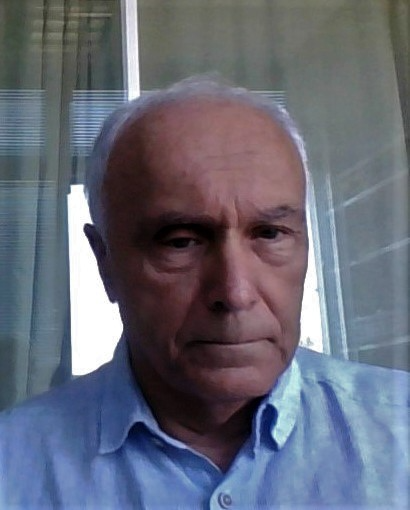
John Mourjopoulos
Professor Emeritus, University of Patras, Greece

Presentation title:
Ancient Theatre Acoustics: Insights for Modern Acoustics and Cultural Heritage
 
A review of contributions from the two previous SAAT symposia, along with related publications, reveals a wide spectrum of research topics in acoustics, extending well beyond the study of sound in ancient theaters to areas directly relevant to contemporary acoustic practice.

This keynote explores key challenges and emerging themes arising from research on the acoustics of heritage buildings. It discusses how such work has significantly advanced current approaches to computational modeling, simulation, measurement techniques, and sound transmission analysis in both open-air and enclosed spaces. At the same time, important challenges have emerged, including the development of robust methods for assessing speech intelligibility and the quality of musical and vocal performance, advanced auralization techniques for virtual reconstructions, and the establishment of standardized measurement protocols alongside specialized equipment for controlled acoustic excitation.

Beyond technical developments, research within the SAAT framework has also opened broader interdisciplinary perspectives, raising important historical, social, and archaeological questions.These dimensions highlight the role of acoustics not only as a scientific discipline but also as a vital tool for understanding and preserving Europe’s cultural heritage.
Short biography:

John Mourjopoulos is Professor Emeritus at the University of Patras. He received a BSc (Hons) from Coventry University (formerly Lanchester Polytechnic) in 1977, an MSc in Acoustics from the Institute of Sound and Vibration Research at the University of Southampton in 1978, and a PhD from the same university in 1985. From 1988 until his retirement in 2022, he served as Professor in the Department of Electrical and Computer Engineering at the University of Patras, where he headed the Audio and Acoustic Technology Group. He also established and directed the graduate program “Acoustic Design and Digital Sound” at the Hellenic Open University.

John Mourjopoulos has supervised 17 doctoral dissertations, served as scientific coordinator for numerous national and European programs, and organized national and international conferences, co-chairing the first SAAT Symposium held in Patras in 2011 and the SAAT 2022 Symposium in Verona. His research covers many areas of audio and acoustic signal processing, including digital compensation of room acoustics, the use of perceptual hearing models to suppress distortions in acoustic signals, the design and development of digital audio systems, novel methods for electroacoustic conversion, and the study of acoustics in antiquity.

He has published 50 papers in international scientific journals and has presented approximately 150 papers at international and national conferences. In recognition of his research, he has been awarded the title of Fellow of the Audio Engineering Society (AES). He has served as Associate Editor of the Journal of the Audio Engineering Society, as a reviewer for many other journals and conferences, and as a member of the Board of Directors of the Hellenic Institute of Acoustics. He is a Life Member of IEEE and AES.


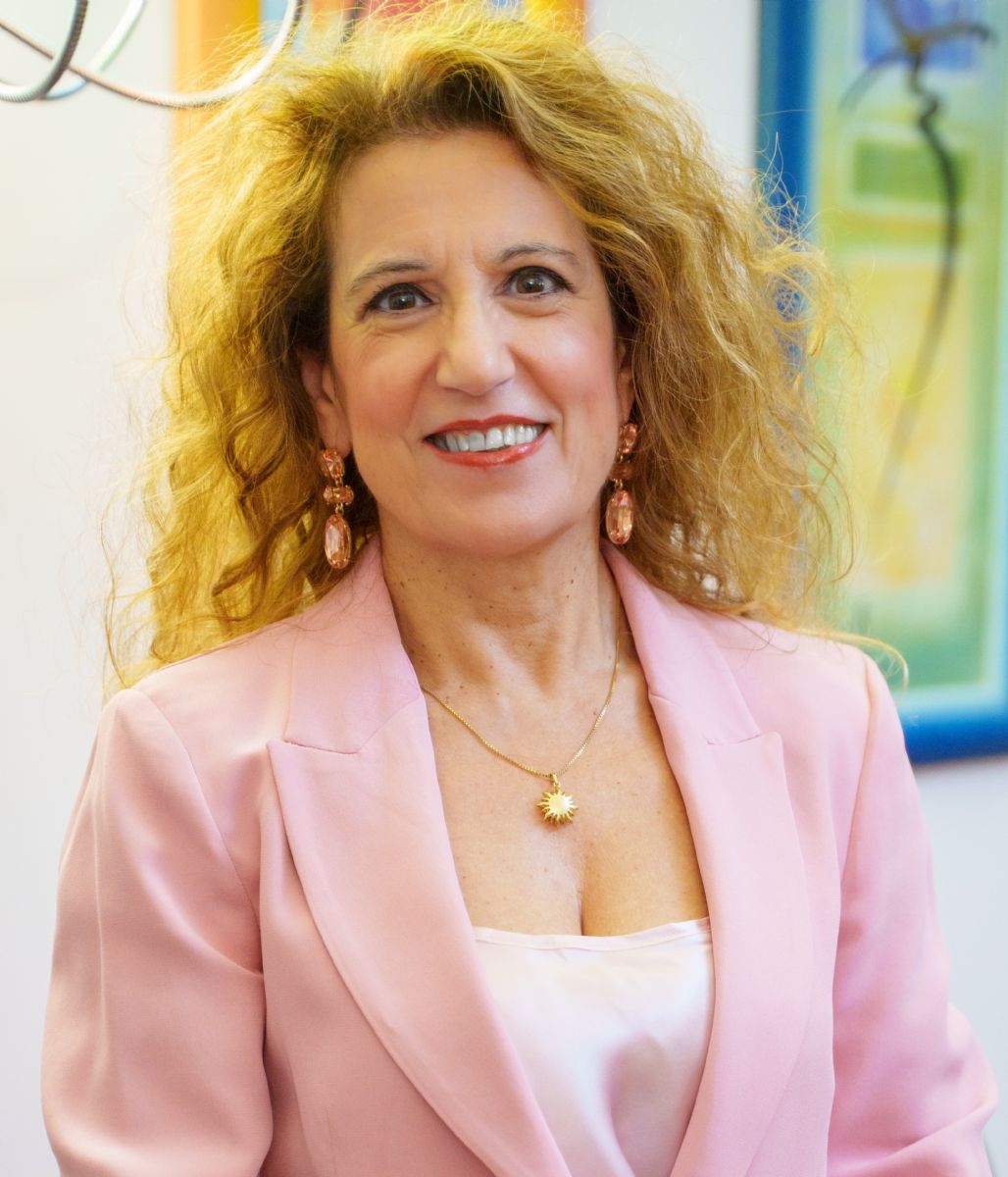
Angela Bellia
Full Professor, University of Palermo, Italy

Presentation title:
Sonic Heritage and Heritage Acoustics: Towards the Preservation of Ancient Performance Spaces
 

This keynote lecture explores the fundamental synergy between Sonic Heritage and Heritage Acoustics within the context of ancient performance spaces. Shifting from a traditionally visual archaeological paradigm, it argues for a holistic approach that recognizes soundscapes as a vital form of Intangible Heritage.

The discussion highlights the indispensable contribution of Heritage Acoustics, where recent advancements in physical sound studies and digital applications have fundamentally enhanced our understanding of ancient theatres. By integrating three-dimensional reconstructions with sophisticated acoustic modelling, research on ancient theatres has improved the analysis of archaeological contexts and performance studies, reconstructing the sonic dimension of these buildings.

However, the contemporary reuse of these monuments necessitates urgent strategies for the safeguarding of their acoustic integrity. This lecture advocates for the preservation of Sonic Heritage through sustainable management and internationally shared regulatory frameworks. It underscores the necessity of treating acoustic environments as essential components of our Intangible Heritage, ensuring that the unique "sound footprints" of these extraordinary historical performance structures are protected and valued for future generations.
Short biography:

Angela Bellia is Full Professor at the Department of Cultures and Societies, University of Palermo. She is the Principal Investigator of the VOICING Project (Voicing Spaces: Towards an Aural Architecture in the Past), funded by the Italian Science Fund (FIS) and the Ministry of University and Research (MUR).

Her research operates at the innovative intersection of soundscape archaeology, aural architecture, archaeomusicology, and heritage acoustics, with a specific focus on the sonic environment of ancient performance spaces. Professor Bellia serves as the Chair of the Archaeomusicology Interest Group (AMIG) at the Archaeological Institute of America and is the Editor-in-Chief of Telestes: An International Journal of Archaeomusicology and the TELESTES Book Series.

Throughout her career, including her work as a Marie Sklodowska-Curie Fellow at the Institute of Heritage Science (CNR), she has pioneered interdisciplinary methodologies that integrate digital heritage, 3D modelling, and acoustic simulation to reconstruct historical soundscapes. Her work is dedicated to the recognition of Sonic Heritage as a vital component of Intangible Cultural Heritage, advocating for sustainable preservation strategies for ancient theatrical architecture across the Mediterranean.


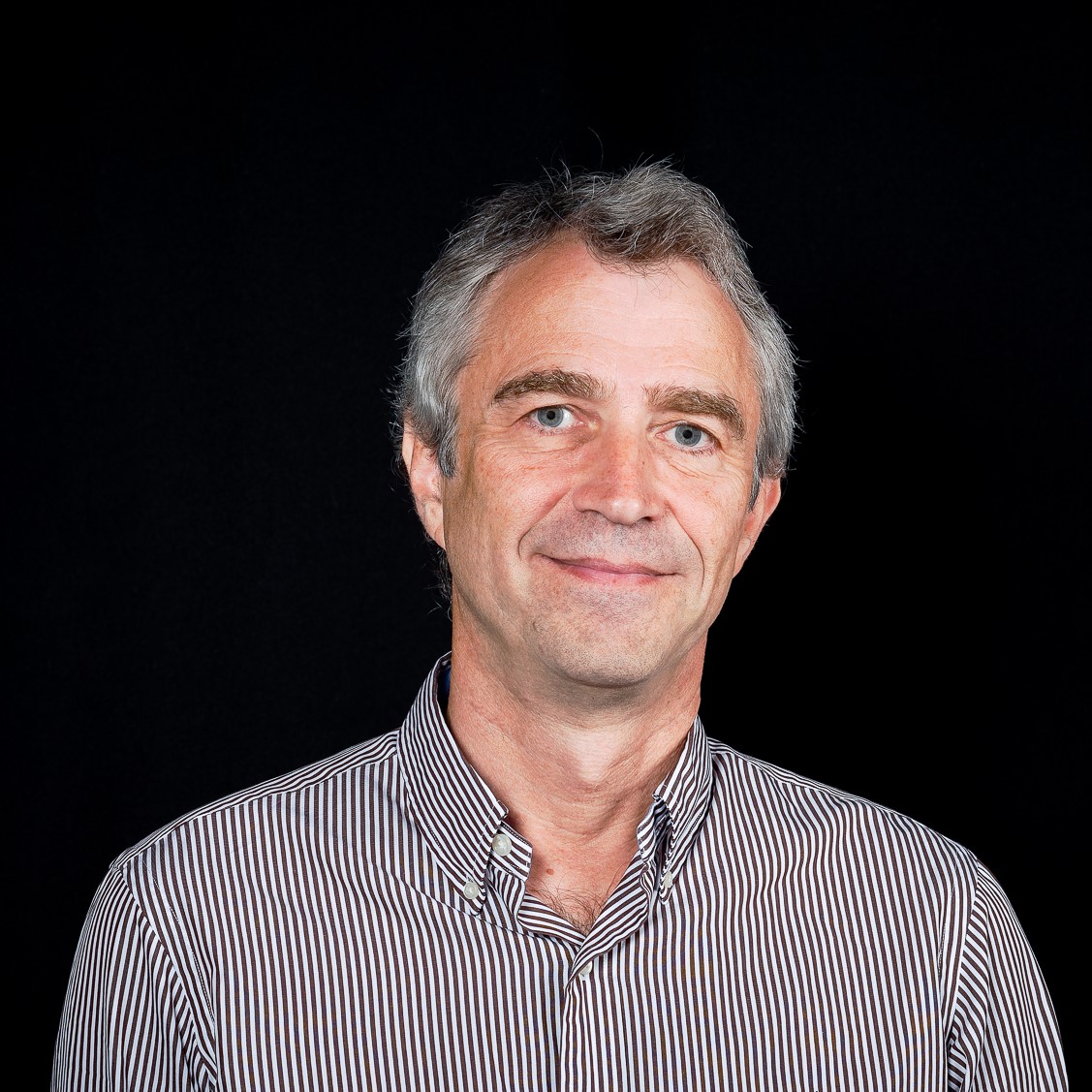
Michael Vorländer
Professor Emeritus, Institute for Hearing Technology and Acoustics, RWTH Aachen University, Germany

Presentation title:
Reflection Characteristics in Heritage Spaces – Challenges in Simulation
 

The virtual reconstruction of acoustics in heritage spaces requires adequate geometric models and surface data. During the modeling phase, a balance must be found regarding the level of detail, such that acoustic models contain significantly fewer details than visual models. When simulating ancient spaces, the need to estimate material properties and surface shapes can pose a major challenge. For room simulations, coefficients based on random incidence directions are typically used as material data for absorption and scattering. This is generally appropriate, as a diffuse field develops when there are a multitude of different sound incidence directions. In open spaces such as amphitheaters, however, an approach based on random incidence directions is not necessarily reliable. The involved geometries, such as the stage building and the steps in amphitheaters, must be carefully considered, as early main reflections at specific angles of incidence are particularly important. Furthermore, certain angles of incidence also dominate the reverberation pattern. It will be discussed how the reflection properties of absorption and scattering can be defined in greater detail with respect to their frequency and angle dependence, and how simulation results can benefit from this increased depth of information.

Short biography:

Michael Vorländer has been Professor at RWTH Aachen University, Germany, between 1996 and 2025. After university education in physics and a doctoral degree in 1989 on room acoustical computer simulation, he worked in various fields of acoustics, such as psychoacoustics, electroacoustics, and architectural acoustics at the PTB in Braunschweig (National Metrology Institute) between 1989 and 1996. He served as President of the European Acoustics Association (EAA) in the term 2004–2007, President of the International Commission for Acoustics (ICA) in the term 2011–2013, and President of the Acoustical Society of America in the term 2025/2026. Michael Vorländer was awarded the EAA Award for contribution to the promotion of acoustics in Europe in 2014, the W.C. Sabine Medal of the Acoustical Society of America in 2018, and the Rayleigh Medal of the Institute of Acoustics (IoA), United Kingdom, in 2021, among others. His research focus is auralization and acoustic virtual reality in its various applications in psychoacoustics, architectural acoustics, automotive, and noise control.